

Blue Mountain Pottery Value Guide Canada: A Comprehensive Overview (Updated March 14‚ 2026)
Blue Mountain Pottery‚ a Canadian collectible‚ boasts a vibrant history and fluctuating market values‚ especially for rare pieces like dolphins and sailboats.
Collectors from across the globe‚ including Canada‚ Australia‚ and the US‚ actively seek these unique items‚ impacting current price guides.
Recent auction results and antique market finds demonstrate a growing demand‚ with iridescent and cobalt blue glazes commanding higher prices.
History of Blue Mountain Pottery
Blue Mountain Pottery’s story began in Collingwood‚ Ontario‚ Canada‚ in the early 1950s‚ quickly becoming one of the nation’s largest potteries. The company initially thrived as a family-run operation‚ crafting distinctive pieces admired for their unique drip glazes and artistic forms.
A significant turning point arrived in 1968 with its acquisition by the International Silver Company of Canada. This transition led to further changes when Robert Blair took the helm in 1971‚ influencing production styles and potentially impacting the collectibility of certain eras.
Throughout its history‚ Blue Mountain Pottery consistently produced items featuring a signature aesthetic‚ contributing to its enduring appeal among collectors today. The pottery’s journey reflects shifts in ownership and creative direction‚ all contributing to the diverse range of pieces available and their varying values.
Founding and Early Years (1950s ー 1960s)
Blue Mountain Pottery emerged in the 1950s in Collingwood‚ Ontario‚ Canada‚ establishing itself as a prominent force in the burgeoning Canadian art pottery scene. This period marked the genesis of the company’s signature style – characterized by innovative drip glazes and organically shaped forms.
Early production focused on creating accessible yet artistic pieces‚ laying the foundation for the brand’s future collectibility. The 1960s saw continued growth and refinement of techniques‚ solidifying Blue Mountain Pottery’s reputation for quality and distinctive design;
These formative years were crucial in establishing the aesthetic that collectors now cherish‚ influencing the value of vintage pieces and setting the stage for later developments in the company’s history.
Acquisition by International Silver Company of Canada (1968)
In 1968‚ a significant turning point occurred with the acquisition of Blue Mountain Pottery by the International Silver Company of Canada. This marked a shift in ownership and potentially‚ production strategies‚ though the core artistic identity initially remained intact. The acquisition aimed to leverage International Silver’s established distribution network and resources.

While some collectors speculate about impacts on quality control or design consistency‚ the immediate effect wasn’t drastic. The company continued producing its signature pieces‚ maintaining demand among a growing collector base. This transition period is important when assessing the provenance and value of pieces from this era.
Understanding this corporate change is crucial for accurately dating and valuing Blue Mountain Pottery‚ as it represents a distinct phase in the company’s evolution.
Robert Blair Era and Production Changes (1971 onwards)
Following the 1968 acquisition‚ Robert Blair assumed leadership in 1971‚ initiating a period of notable production changes at Blue Mountain Pottery. While the company continued to produce popular forms like dolphin and sailboat figurines‚ alterations in glaze application and molding techniques became apparent to dedicated collectors.
These shifts‚ though subtle‚ can significantly influence the value of pieces produced during this era. Variations in the intensity of the iridescent finishes or slight differences in form are key identifiers. Understanding these nuances is vital for accurate appraisal;
Consequently‚ pieces from the earlier Blair years (1971-1980s) often command higher prices due to perceived consistency with the original aesthetic.

Identifying Blue Mountain Pottery
Blue Mountain Pottery is distinguished by its unique drip glazes‚ often cobalt blue or iridescent‚ and identifiable backstamps marking its Canadian origin.
Recognizing these characteristics is crucial for collectors assessing authenticity and potential value.
Key Characteristics of the Pottery
Blue Mountain Pottery‚ originating in Collingwood‚ Ontario‚ Canada‚ is celebrated for its distinctive artistic style and manufacturing techniques. A defining feature is the signature drip glaze‚ achieved through a unique application process resulting in varied and organic patterns.
The pottery’s forms range from functional vases and bowls to whimsical figurines‚ notably dolphins and sailboats‚ highly sought after by collectors. The clay body itself contributes to the pottery’s character‚ often exhibiting a slightly textured surface.
Identifying genuine pieces involves examining the glaze consistency‚ the weight of the pottery‚ and the presence of a clear backstamp. These elements collectively establish the authenticity and contribute to the overall value of each collectible item.
Common Glaze Colors and Finishes (Cobalt Blue‚ Iridescent)
Blue Mountain Pottery is renowned for its captivating glaze variations‚ with Cobalt Blue being arguably the most iconic and frequently encountered finish. This deep‚ rich hue often displays a beautiful drip effect‚ enhancing its visual appeal and collectible value.
However‚ the Iridescent glaze is considered particularly desirable and commands a premium in the market. This finish exhibits a shimmering‚ rainbow-like sheen‚ created by metallic oxides within the glaze composition.
Other less common‚ yet valuable‚ glazes include shades of green and brown. The quality and consistency of the glaze significantly impact a piece’s worth‚ with even application and vibrant color being key factors for collectors.
Identifying Marks and Backstamps
Blue Mountain Pottery pieces typically bear identifying marks‚ though their presence and clarity vary over the years. Early pieces (1950s-60s) often feature impressed marks‚ simply stating “Blue Mountain Pottery‚ Canada‚” or “BMP Canada”.
Following the acquisition by International Silver Company in 1968‚ backstamps evolved‚ sometimes incorporating the company’s logo alongside “Blue Mountain”. Robert Blair’s era (1971 onwards) saw further variations‚ including smaller‚ more stylized marks.
The absence of a mark doesn’t automatically disqualify authenticity‚ but a clear‚ legible backstamp generally increases a piece’s value and confirms its origin. Collectors should consult reference guides and online resources for detailed examples of different marks.
Factors Influencing Value
Blue Mountain Pottery value hinges on rarity‚ condition‚ and form; pristine‚ unusual pieces fetch higher prices‚ while damage significantly lowers worth in Canada.
Authenticity verification is crucial‚ as is understanding glaze variations and the demand for specific figurines like dolphins and sailboats.
Rarity of Specific Pieces
Blue Mountain Pottery’s value is dramatically affected by the scarcity of certain forms and glazes. Dolphin figurines‚ particularly the larger 12-inch cobalt blue examples‚ are consistently among the most sought-after and rare pieces‚ commanding premium prices within the Canadian collector market.
Sailboat figurines also exhibit significant variations in rarity‚ with certain sizes and color combinations being harder to locate than others. Large and unusually shaped vases‚ deviating from standard production runs‚ are inherently more valuable due to their limited availability.
Pieces featuring experimental glazes or unique artistic flourishes further contribute to their collectibility. Identifying these rare variations requires diligent research and familiarity with the pottery’s production history.
Condition and Authenticity
Evaluating Blue Mountain Pottery requires careful assessment of both condition and authenticity. Pieces in pristine condition‚ free from chips‚ cracks‚ or repairs‚ naturally command higher values within the Canadian antique market. Even minor imperfections can significantly diminish a piece’s worth.
Authenticity is paramount; verifying the presence of correct backstamps and glaze characteristics is crucial. Counterfeits or misattributed pieces can mislead collectors. Thorough examination and comparison with known authentic examples are essential.
Understanding the nuances of the pottery’s glaze – particularly the iridescent finishes – helps distinguish genuine articles from reproductions. Expert appraisal can provide definitive confirmation of both condition and authenticity.
Size and Form of the Pottery
The size and form of Blue Mountain Pottery pieces directly influence their collectible value within Canada. Larger‚ more unusual forms‚ such as oversized vases or uniquely sculpted figurines‚ generally attract higher prices due to their rarity.
Standard sizes and common forms‚ while still desirable‚ typically fall within a more moderate price range. Dolphin and sailboat figurines‚ for example‚ vary in value based on height and detail.
Bulbous vase shapes and distinct drip glaze applications contribute to a piece’s aesthetic appeal and‚ consequently‚ its market value. Collectors often prioritize pieces exhibiting exceptional craftsmanship and artistic form.

Valuable and Rare Pieces
Blue Mountain Pottery dolphins and sailboats are highly sought after by collectors‚ commanding premium prices‚ while large‚ unusual forms also present significant value.
Dolphin Figurines – Price Range and Demand
Blue Mountain Pottery dolphin figurines consistently demonstrate strong demand within the collector’s market‚ particularly the larger 12-inch cobalt blue glazed examples. These pieces are considered relatively rare‚ contributing to their increased value. Current market observations‚ as of March 14‚ 2026‚ indicate price ranges varying considerably based on size‚ glaze quality‚ and condition.
Smaller dolphin figurines typically sell between CA$40 and CA$60‚ while the larger‚ more desirable 12-inch versions can reach CA$80 or more‚ depending on the seller and auction dynamics. Exceptional examples‚ exhibiting pristine condition and vibrant iridescent finishes‚ have been known to exceed these figures. The Prince Edward County antique market discovery highlights ongoing availability‚ but truly exceptional pieces remain scarce.
Demand is fueled by the figurine’s iconic status within the Blue Mountain Pottery lineup and its representation of the company’s artistic style.
Sailboat Figurines – Identifying and Valuing
Blue Mountain Pottery sailboat figurines represent another sought-after collectible‚ though generally considered rarer than the dolphin figurines. Identifying authentic pieces requires careful examination of the glaze – typically cobalt blue or iridescent – and the backstamp. A 7-inch sailboat figurine‚ as noted in recent listings‚ can be particularly valuable.
Valuation hinges on condition; chips or cracks significantly reduce worth. Current market prices for these sailboats range from CA$50 to CA$75 for standard examples‚ but exceptional pieces‚ especially those in pristine condition‚ can command higher prices. The scarcity of these items contributes to their desirability among collectors in Canada and internationally.
Sold-out listings indicate strong demand and a willingness to pay a premium for well-preserved examples.
Large and Unusual Forms – Assessing Worth
Blue Mountain Pottery’s value extends beyond standard figurines to encompass larger‚ less common forms. Assessing the worth of these unusual pieces requires a nuanced approach‚ considering size‚ glaze complexity‚ and overall artistic merit. Larger vases‚ exceeding typical dimensions‚ often attract higher bids at auction‚ particularly those featuring vibrant iridescent finishes.
Pieces deviating from the typical dolphin or sailboat motifs – unique sculptural forms or experimental glazes – are highly prized by dedicated collectors. Condition remains paramount; any damage detracts significantly from value. Determining a precise price requires comparing similar items sold recently‚ factoring in rarity and demand within the Canadian market.
Expert appraisal is recommended for exceptionally rare or large-scale pieces.
Price Guide and Recent Sales
Blue Mountain Pottery vase prices vary greatly‚ from CA$28 for smaller pieces to significantly more for large‚ iridescent examples‚ based on recent Canadian sales.
Vase Price Ranges (Based on Size and Glaze)
Blue Mountain Pottery vase values are heavily influenced by size‚ glaze type‚ and overall condition. Smaller‚ standard vases‚ approximately 5-7 inches tall with common cobalt blue drip glazes‚ generally range from CA$30 to CA$75‚ depending on the presence of any damage.
Mid-sized vases (8-12 inches) in good condition can fetch between CA$80 and CA$150‚ particularly those exhibiting vibrant iridescent finishes. Larger‚ bulbous form vases‚ exceeding 12 inches‚ command higher prices‚ often ranging from CA$150 to CA$300+.
Exceptionally rare glazes or unique shapes can significantly increase value‚ sometimes exceeding CA$400. Recent auction results indicate a growing market for pristine examples‚ with collectors willing to pay a premium for authenticity.
Figurine Price Ranges (Dolphins‚ Sailboats‚ Birds)
Blue Mountain Pottery figurines exhibit a wide price range based on rarity and demand. Dolphin figurines‚ particularly the larger 12-inch models‚ are highly sought after‚ selling for CA$80 to CA$200+‚ with exceptional examples exceeding this range.
Sailboat figurines‚ especially those in pristine condition‚ typically range from CA$50 to CA$120. Rarer sailboat variations or larger sizes can command higher prices. Bird figurines are generally the most affordable‚ ranging from CA$20 to CA$60.
Condition is paramount; chips or repairs significantly reduce value. Collectors actively seek authentic pieces‚ driving up prices for well-preserved figurines.
Market Trends and Auction Results (Canada)
The Canadian market for Blue Mountain Pottery demonstrates increasing interest‚ particularly in rare forms and vibrant glazes. Recent auction results reveal a steady climb in prices for dolphin and sailboat figurines‚ driven by collector demand.
Online marketplaces and antique markets in Ontario‚ like Prince Edward County‚ consistently feature Blue Mountain Pottery‚ with prices varying based on condition and rarity. Vintage vases with drip glaze are currently selling around CA$28.
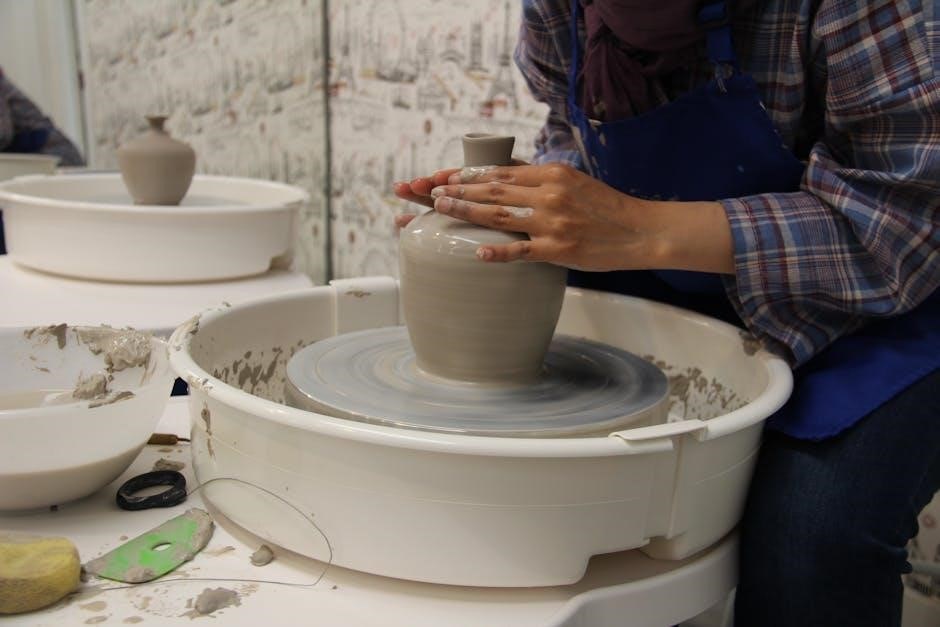
The trend indicates a growing appreciation for this Canadian art pottery‚ with collectors willing to pay premiums for unique and well-preserved pieces.
Resources for Collectors
Blue Mountain Pottery collectors benefit from the BMPCC‚ online forums‚ and Canadian antique resources for valuation and community engagement.
These platforms offer insights into rare pieces‚ market trends‚ and authentication guidance for informed collecting decisions.
Blue Mountain Pottery Collectors Club (BMPCC)
The Blue Mountain Pottery Collectors Club (BMPCC) serves as a vital hub for enthusiasts seeking to deepen their knowledge and appreciation of this Canadian art form.
Currently boasting a diverse international membership – spanning Canada‚ the United States‚ Australia‚ England‚ Scotland‚ and New Zealand – the club fosters a collaborative environment for sharing information about rare pieces.
Membership provides access to exclusive resources‚ including detailed catalogs‚ valuation guidance‚ and opportunities to connect with fellow collectors passionate about identifying and understanding the nuances of Blue Mountain Pottery;
The 2026 BMPCC annual meeting promises to be a significant event‚ offering further opportunities for learning and networking within the community. Becoming a member unlocks a wealth of expertise and support.
Online Forums and Communities
Beyond the Blue Mountain Pottery Collectors Club (BMPCC)‚ a vibrant network of online forums and communities provides invaluable resources for enthusiasts and those researching rare pieces.
These digital spaces facilitate the exchange of information‚ including identification assistance‚ valuation insights‚ and updates on recent auction results within the Canadian market and internationally.
Collectors frequently share photographs of their acquisitions‚ sparking discussions about glaze variations‚ identifying marks‚ and the historical context of specific forms.
Active participation in these communities allows individuals to tap into collective knowledge‚ refine their understanding of Blue Mountain Pottery‚ and stay informed about emerging trends impacting value.
Antique Market and Auction House Resources (Canada)
Across Canada‚ antique markets and auction houses represent crucial avenues for discovering and valuing Blue Mountain Pottery‚ particularly rare and sought-after pieces like dolphin and sailboat figurines.
Prince Edward County‚ Ontario‚ is noted as a location where finds occur‚ highlighting regional variations in availability. Regularly attending local auctions and exploring antique shops increases the chances of uncovering hidden gems.
Consulting with experienced appraisers at these venues provides professional assessments of authenticity and current market value‚ essential for informed buying and selling decisions.
Online auction platforms specializing in Canadian collectibles also offer opportunities‚ but careful verification of provenance and condition is paramount.